Winter Wellness Starts at Home: Smart Home Recovery Gear Recommendations
Winter has a way of sneaking into the body. Not just the skin, but deep into the muscles, the joints, even the bones. Anyone recovering from an injury, surgery, or chronic pain knows this all too well. The colder the day, the louder the aches become. Suddenly getting up isn’t just getting up, but it’s a full negotiation with stiff knees, stubborn joints, and a brain saying, “Nope, not yet.”
That’s when having the right setup at home matters. Recovery isn’t just about medication or rest; it’s also about comfort, safety, warmth, and making daily movement feel possible instead of painful. Winter isn’t the enemy. It just requires a different approach.
Warmth Makes a Difference
Cold muscles act like they’re on strike. They don’t stretch easily; they resist movement and remind you quickly when they’ve had enough. Warmth makes things softer, literally. A heating pad or warm therapy wrap can loosen tight areas and help the body feel more prepared for movement.
Some people use heat only when things hurt, but using it before an activity can help prevent that pain in the first place. Think of warmth as the “green light” that tells the body:
Okay, we can move now.
Flexible heat wraps that mold around the knee, back, neck, or shoulders feel especially comforting because they follow the body’s shape. A warm blanket helps too; not the thin kind, but the soft, heavy kind that feels like a hug.
Warmth isn’t just physical relief, it’s emotional comfort too.
Cold Therapy Still Has a Role
Cold therapy can feel unfair in winter. The room’s already chilly, so why place something even colder on an already-sore spot? Because cold helps calm swelling and irritation, especially after movement.
Reusable ice packs, cold compression wraps, or gel packs that stay flexible even when frozen work well for this. They’re especially helpful if swelling increases after walking, stretching, using stairs, or doing physical therapy exercises.
Warm before moving; cold after moving. It’s a simple rhythm and is surprisingly effective.
Mobility Tools Make Movement Safer
Cold weather slows reaction time. The body feels sluggish, balance feels different, and if mobility is already limited, winter can feel risky.
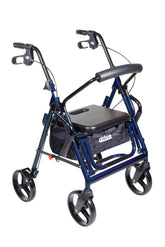
Mobility aids really take the edge off everyday stuff. Think about a cane that actually stays put in your hand, a rollator that doesn’t wobble, or braces that hold your joints steady. They’re not signs you’re slipping; they’re your backup.
No one wins a prize for pretending they don’t need help. Healing goes smoothly when the body doesn’t have to work harder than necessary.
Bathrooms: The Silent Trouble Spot
Here’s something most people don’t plan for: the bathroom becomes a difficult place during recovery. Wet tiles and stiff muscles don’t mix well. And no one wants a setback because of a simple slip.
A few practical additions make things safer:
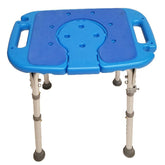
- A shower chair that lets you sit while bathing
- Grab bars for balance
- A raised toilet seat that reduces strain
- Non-slip mats
With these in place, you stop thinking about what might go wrong. You get to focus on getting better, not worrying about taking a spill every time you move.
Comfort Through Massage and Compression
Massage and compression tools can make the body feel lighter. When tension and stiffness become a daily part of life, a handheld massager or compression sleeve can release tightness and improve blood flow.
Even a small roller ball can help break up knots in the shoulders, feet, or back. And compression boots or wraps can help restless, swollen legs feel calmer, especially at night.
Little things often bring the biggest relief.
Creating a Healing Corner at Home
You know what makes things easier? Having everything you need close by. A cozy corner or designated space can make healing feel more intentional instead of scattered or stressful.
This space might hold:
- A warm blanket
- A chair with proper support
- Heat and cold therapy packs
- A mobility aid
- Water for hydration
- Pillows for positioning
Gentle Movement Helps More Than Complete Rest
Winter encourages stillness. While rest is important, too much stillness leads to even more stiffness. Gentle movement keeps the body from freezing up. Nothing intense, just slow intentional activity.
- Walk across the room a couple of times.
- Stretch in bed before getting up.
- Circle your ankles and wrists.
- Raise your legs slowly while sitting.
The goal isn’t exercise, it's mobility. Small movements help the body stay functional.
Hydration Supports Healing
Cold weather reduces thirst, and it’s easy to forget to drink enough water. Muscles and joints rely on hydration, and recovery slows when the body is dehydrated. Keeping a water bottle near the recovery space makes a difference.
Hydration isn’t dramatic, but it’s powerful.
A Simple Routine Creates Stability
Healing doesn’t need a complicated plan. A soft rhythm works well:
- Warm the area
- Move gently
- Apply cold if swelling starts
- Use support when needed
- Rest without guilt
Some days will feel easier, others harder, and that’s normal. Winter recovery isn’t about perfection; it’s about comfort, progress, and patience.
The Final Takeaway
Winter doesn’t have to turn recovery into a struggle. The right home recovery gear and solid cold-weather medical supplies make pain easier to handle, movement safer, and healing a little less exhausting. It stops feeling like a battle and starts to feel a bit more doable.
- Warmth helps movement.
- Cold eases irritation.
- Support prevents setbacks.
- Small habits create change.
Healing takes time, but comfort makes the journey easier and kinder.